Dangal
2016 · Movie


Featured Hindi film
2016 · Hindi · Drama
A sporting ambition becomes a family story.
Watch now opens JustWatch viewing choices.

1994 · Movie

2024 · TV Series

2013 · TV Series

2013 · TV Series

2016 · TV Series

2018 · TV Series
Use Filmyzilla on your phone, save a browser shortcut and understand the difference between a website and an APK.
Read guide →Find a movie first, then compare supported offline options, quality settings and device storage.
Read guide →Choose spoken language and subtitle language separately, then resolve missing or hard-to-read captions.
Read guide →Find a title after an old Filmyzilla bookmark stops opening, and separate website access from video availability.
Read guide →Filmyzilla movies and television
A Bollywood favourite from years ago can be as welcome as a film everyone is discussing this week. Filmyzilla gives both a place in the movie index. Browse Hindi cinema, look through international titles, find a regional production or pick up the name of a series you meant to try. The search is close at hand, and the names and release years remain easy to compare.
You can arrive with a precise request or with only a few clues. Perhaps you remember a title in Hindi but recognise its English name when you see it. Perhaps a friend said “the third one” without naming the earlier films. Use the information you have, open the production that fits, and keep an alternative on My List while you decide what to watch.

The opening index puts movie names beside their years and groups them by familiar categories. Bollywood, Hollywood, Tamil, Telugu and Malayalam are practical starting points when a long mixed list would be hard to scan. Follow the name that interests you to see the film information, or move into a collection to explore more titles from the same original language. A category gets you started without deciding your entire evening.
The Filmyzilla movie catalogue includes details that help a choice: a poster, an introduction, genres and a release year. These clues are especially useful when a name sounds familiar but you cannot place it. A film can also have another title in another language. Compare the original name and available aliases before assuming an unfamiliar English heading means you have found the wrong production.
There are three useful actions once a title catches your attention. Read its details to decide whether the story interests you. Save it if another film has already won tonight's place. Use Watch now when you are ready to inspect viewing choices. That button opens a named JustWatch search, so match the production there and choose the offer that fits your country and preferences.
Not every visit needs to become a long browsing session. A title search is the quickest approach when you have a recommendation. The category index works well when you want ideas. Release-year pages help when the strongest clue is when the film came out. You can switch between those approaches without registering an account or losing the page you were considering in an ordinary browser tab.
Filmyzilla is free to browse. Movie details, the search tools, collections and a browser-based My List do not require a paid catalogue account. That matters when you are only checking a recommendation or comparing a few possibilities. You can read about a production before deciding whether it deserves your time, and you do not need to enter account details simply to look through movie names.
A request for free movies online often comes with another preference: something in Hindi, something suitable for a shared television, or something short enough for the time available. Begin with those preferences rather than accepting the first recognisable poster. Make a small shortlist, then inspect the actual viewing offers for those films. Free access, advertising, a rental and a subscription are different arrangements, even when they appear beside the same title.
The catalogue's free browsing does not set the terms of another service. Read the offer at the place you choose to watch. If an option uses a service you already have, that can be simpler than creating a new subscription for one evening. If you want an entirely free option, check whether one is actually listed for the movie and country you selected.
Keep a second choice instead of treating a missing offer as the end of the search. A film that interests you can remain on your list for another day. An older favourite may suit tonight just as well as a newly discussed release. The point of a shortlist is to give you a few worthwhile choices, not to collect so many posters that choosing becomes harder than it was at the beginning.
The Hindi movie collection is the place to start for original Hindi productions. It keeps those films distinct from an English or Tamil production watched with a Hindi dub. Both can belong in the same evening's choices, but they answer different requests. If you asked for Bollywood because you want a particular cast, style or remembered film, original-language information helps keep the search on course.
Dangal, Jawan, Kill, PK and 3 Idiots are names you can investigate in the index. Do not choose solely because a familiar actor appears in a recommendation. Read the short premise and genre first. A title that suits an action-focused evening may not suit someone looking for a quieter watch, while a comedy label can still cover very different kinds of humour and audience expectations.
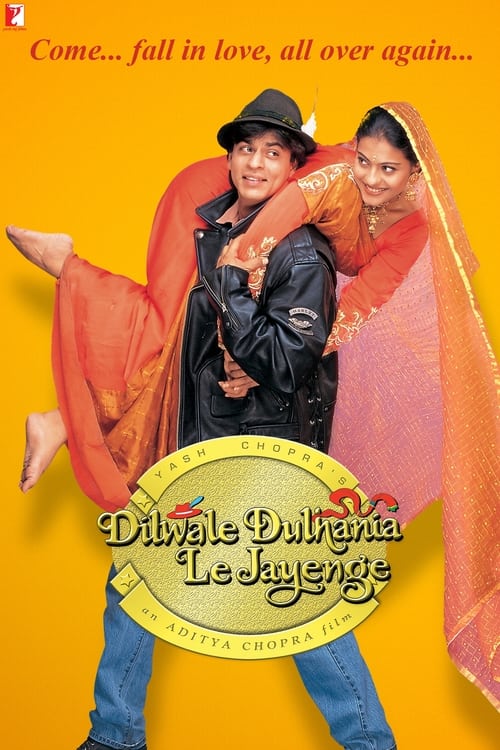
For an older favourite, the catalogue is useful even when you already know the story. It can settle the exact title or year before you pass the recommendation to someone else. Dilwale Dulhania Le Jayenge is easier to recover from its full name than from a description of a song or a remembered scene. Saving the production also avoids having to repeat the same search next time.
A shared Hindi movie night does not have to mean that everyone watches in the same way. Some people prefer spoken Hindi with no text; others appreciate English captions. Ask about that preference alongside the choice of film. Then inspect the offered audio and subtitle settings for the actual edition, so the decision about language is made before the opening scenes rather than during a conversation that matters.
Dangal is the featured Hindi film here. The 2016 production centres on a former wrestler's ambition for his daughters, with a sporting challenge embedded in a family story. The Netflix title page identifies the film and its cast. For your own watch, select the matching movie and inspect the current edition rather than treating a general service page as a promise for every country.
Another useful title example is Taare Zameen Par. You may encounter it in this catalogue as Like Stars on Earth. The original title and aliases help connect those names. Netflix's film entry identifies the 2007 drama and its story of a pupil and an art teacher. The important search lesson is simple: a translated title may look different while still referring to the production you remember.
When a result is uncertain, compare several clues together. The year, principal cast, original language and introductory story are more helpful than one word in a heading. A remake can share a premise without being the same film. A sequel can share the leading actor without being the same chapter. A translated name can share neither obvious wording nor poster design with the version you first saw.
This also makes recommendations easier to share. Send the title page or include both recognised names when one translation is less familiar. Add the release year if a name has been reused. You do not need to give away a twist or summarise the entire ending to help someone find a movie. A few identifying details can do the job without spoiling the reason you wanted them to watch it.
The latest-movies page orders catalogue films by their recorded release dates. That is helpful when you want recent productions instead of returning immediately to older favourites. It is not the same as an announcement that a particular downloadable edition arrived today. A film's release, its availability on a viewing service and an update to a catalogue are separate events.
If Saiyaara, Baaghi 4 or another named film brought you here, the Bollywood guide provides relevant movie searches. Keep the identifying title intact. Adding every resolution, domain suffix and file-size preference to the search box can make a straightforward title harder to find. Those extra details are useful later, when comparing the offered edition, rather than as substitutes for the film's name.
Year browsing works in both directions. Choose a recent year for new-film ideas, or revisit a year associated with a favourite period in your movie watching. The number should refer to the production's release, not the date of a social post that mentioned it. If you only remember approximately when you watched something, leave the year filter broad until the title and story give you firmer evidence.
Do not let the label “latest” overrule your actual preference. A recent film is not automatically the right film for every viewer. Read enough to know whether you want its genre and tone. An older production that matches the evening is usually a more satisfying choice than a new title you selected only because it appeared at the beginning of a date-sorted list.
Hollywood Hindi dubbed searches combine a production category with a spoken-language preference. Use the English movie index for ideas, then check Hindi audio on the edition you select. The collection identifies films originally associated with English; it does not label every listed movie as having a Hindi soundtrack. That distinction lets you browse international stories without confusing a film's origin with the way you plan to hear it.
Inception and Interstellar are separate records that make useful examples. Search the actual movie name rather than a description such as “that space film in Hindi.” A precise title avoids mixing several productions with similar themes. Once the correct film is open, compare the viewing choices and their language settings. The year remains useful if a search result includes another similarly named work or a related documentary.
For a franchise, retain the complete subtitle or part number. A general Avengers or Harry Potter request can refer to several films, and a Hindi dub available for one entry does not establish the same offer for the whole sequence. Decide which chapter you mean before comparing soundtracks. A poster featuring a familiar character is not enough to establish that you have the intended part.
The Hindi-dubbed guide connects named English-language films with the questions people actually ask about language editions. It also leaves room for original dialogue with translated captions. The best choice is the combination you prefer, not an assumption that dubbed audio is always better or that original audio is the only worthwhile way to enjoy an international movie.
Dual audio is useful when the offered edition includes two spoken tracks and you want the freedom to choose between them. Read the names of those tracks. The phrase itself does not guarantee Hindi and English, and it says nothing about the subtitle menu. A film can have several translated captions while offering only one spoken language, or several audio tracks with a more limited caption selection.
For someone learning a language, familiar dialogue with translated text may be appealing. For a relaxed group watch, everyone may prefer a shared dub. For another viewer, subtitles may be essential rather than optional. These are practical preferences worth checking before starting. The subtitle page helps separate spoken language, translation and caption appearance without making the film choice unnecessarily complicated.
Original-language information on Filmyzilla helps you understand the production. It does not automatically select the audio at the service that plays it. Changing the website country affects the viewing search, not the film's original language. Likewise, opening a web page with Hindi interface text does not prove that the video behind a watch offer supplies Hindi dialogue.
When returning to a series, check the desired language for the season or episode you are about to open. Availability can differ across editions and chapters. A trailer, an older season or a listing from another country is not enough to settle the current episode's options. A brief look at the real player menu is more useful than repeatedly adding “dual audio” to the parent programme's search.
South Indian cinema is a useful broad starting phrase, but it is not one language or one genre. Filmyzilla separates Tamil, Telugu and Malayalam movie collections. Move into the original-language group you want, or use the broader South Indian guide when the name is the only clue you have. Keeping the actual production visible makes the next search more precise.
Leo, RRR and All We Imagine as Light provide different titles to explore. Their individual details are more useful than treating all three as interchangeable results under a single regional heading. Read the premise, compare the recorded year and decide whether you want that particular story. A regional category should open up choices, not conceal the differences between them.
A South Hindi dubbed request needs one additional decision after the production is identified: which offered soundtrack you want. A Hindi dub does not turn a Tamil or Telugu original into a different movie. A remake does. Compare the cast and year if an apparently familiar story appears under another title, especially when a recommendation came from a short clip without a complete credit.
For short names such as Junior or Dude, use the named searches in the South Indian guide and compare the results carefully. For Kantara, preserve any particular subtitle or chapter wording from the recommendation. It is better to spend a moment matching the production than to select an unrelated film merely because one common word appears in both headings.
A Punjabi movie request deserves its own starting point rather than being buried under a general Hindi category. The regional-movies guide includes a named search for Carry On Jatta 3. Keeping the number matters: someone who recommended the third film may not have meant the original or another entry. Use the full title when comparing viewing results so the chapter stays clear.
The ZEE5 film listing identifies Punjabi audio for that production. It is a useful title-specific reference, not an inventory of every service's current tracks. If you want English captions as well, inspect that setting on the edition you choose. Spoken Punjabi and translated subtitles answer two separate needs.
For a recommendation from friends or family, keep the film's name in a form the next person can search. A Roman-letter spelling can help someone who does not read the original script. The year can resolve similarly named results. You do not have to turn the recommendation into a technical description of file size and video encoding just to help someone recognise the movie.
If a particular regional film is not represented by a local catalogue card, a precise viewing search is still useful. The guide uses that approach for named choices rather than filling the page with guessed posters and invented descriptions. Match the production in the search results, choose your country, and look at the offer that actually applies to the film you wanted.
Marathi and Bengali movie requests are not alternative spellings for Bollywood. They point towards their own films, casts and original languages. Use the regional guide to begin a named search when that is more useful than a mixed movie list. Sairat is one Marathi-film starting name there; retaining the production's identity helps distinguish an original from another film based on related material.
For Bengali cinema, Belashuru has a named search in the same guide. Hoichoi's Belashuru page identifies it as a Bengali movie. That is enough to establish a useful film-specific starting point without inventing an entire local library of regional records or pretending a programme has the same availability in every country.
A Bengali movie and a movie with Bengali subtitles are not necessarily the same request. Say which matters to you when following a recommendation. Original dialogue may be part of the attraction, while translated text can make the film accessible to someone else watching with you. Look at both settings in the offered edition instead of assuming the website's interface language answers the question.
Regional viewing also benefits from ordinary catalogue habits: keep a title you want to return to, note a year when names overlap, and avoid reading an ending explanation before a first watch. Those habits are not limited to any one film industry. They make it easier to move from a recommendation to the intended production while leaving the experience of the story intact.
The TV shows index keeps programmes apart from feature films. That distinction is important when a name refers to both a movie and a television adaptation, or when a series has an episode that looks like a standalone feature. Choose the programme record first. Its introductory information identifies the show without deciding which season or episode you should begin.
Mirzapur, The Family Man and C.I.D. are Hindi programme names you can find here. The year beside a show commonly identifies when the production began. It does not mean that every chapter belongs to that year, nor does it establish that the latest episode has just appeared. Keep the season you intend to watch as a separate detail when you open the selected viewing application.
If you are returning after a break, find your previous position before reading a later season's description. A synopsis can reveal changes you have not reached yet. The catalogue is useful for keeping the parent show within reach, while the viewing app may keep episode progress if it supports that feature. My List saves the programme but does not silently record which chapters you have finished.
Watching television together creates another small decision: whether everyone is at the same point. Agree on the season and episode before choosing the audio or picture setting. A technically excellent stream will not fix starting several chapters ahead. Clear programme identification and a shared starting point are often more important than selecting the largest resolution number beside an offer.
A web-series request often arrives with a platform name attached. That can be a useful memory aid, but search the production itself. The web-series guide includes named searches for Wednesday and Stranger Things alongside Hindi programme records. Keeping a programme name prevents a broad “Netflix web series” request from becoming an endless list of unrelated suggestions.
If you want the latest episode, open the programme at the viewing service and inspect its current chapter list. This catalogue does not provide a live episode-release feed. A prominent title row is a browsing choice, not a real-time statement that a new season or episode is available. For a scheduled release, the relevant service's programme information is the place to inspect the actual date and time.
The same care applies to Hindi dubbed web series. A spoken track on one season does not settle the availability of every later chapter. When watching a long programme, check the language choices at the point where you intend to resume. If you prefer translated captions over a dub, inspect those separately instead of assuming every episode offers an identical subtitle list.
For a weekend watch, choose a programme you want to spend time with rather than saving every show that has a recognisable platform label. Read the opening premise without chasing plot spoilers. Keep a second programme for a different mood. A manageable choice gives you something to start, while an unexamined collection of platform names can leave you scrolling without getting to the first episode.
Filmyzilla search works with title words and the available original-title information. Use a distinctive part of the name if you do not remember the exact punctuation. Keep words such as download, APK and 1080p out of the initial title search unless they really belong to the name. They describe other questions and can make a matching film less likely to appear.
The filters let you choose movie or TV format, a genre and a release year. Sorting gives another way to inspect the remaining results, including title order, release year and rating. Apply a restriction because it helps answer your question, not because every dropdown needs a selection. If you are unsure of a genre, leave it open until the title and premise help you decide.
A no-results message is a reason to simplify the search. Remove the year first if you only remember it approximately. Clear the genre if a film may be classified differently from your memory. Try the original name or a known translated title. The Reset action returns you to the broader catalogue, so you do not have to guess which combination of earlier choices is still narrowing the page.
For browsing without a title, genre pages and release years provide direct routes. Original-language collections answer a different question from the country selector used for viewing offers. Use both when they help, but keep their purposes distinct: one describes the films grouped together, while the other helps locate options for the place where you plan to watch.
A high rating is a useful reason to investigate a title, not a command to choose it. The Top IMDb navigation route opens the catalogue's top-rated view, where the displayed scores are identified as TMDB community ratings. They are not presented as imported IMDb scores. Read the label and the film information rather than treating every star number on the internet as the same measurement.
The popular and trending areas are useful browsing lists. They do not claim to know your personal taste or to measure every viewer's activity in real time. If a title catches your eye, use its premise and genres to decide whether it belongs on your shortlist. You can enjoy something that is not currently fashionable, and a prominent recommendation can still be wrong for the time or company you have tonight.
A genre is another helpful clue with limits. Comedy does not guarantee the same style of humour across countries, and drama can cover many different moods. Read the audience information on the viewing service before choosing for children or a mixed-age group. A recognisable poster, animated artwork or a high community score does not replace that decision.
Try keeping your shortlist small enough to compare. One familiar choice, one newer film and one programme can be plenty. Open their details, choose the one you actually want, and leave the others for another visit. Filmyzilla gives you several ways to find a title; the useful result is a decision you feel comfortable making, not the largest possible list of unseen productions.
A quality preference is easiest to use after you know the film. For a Filmyzilla Bollywood movie download 720p or 1080p request, identify the production in the index and then inspect the available edition. Resolution describes picture dimensions. It does not identify the film's dialogue, subtitles or source quality, and it cannot tell you whether the selected application will sustain that resolution on your device.
720p and 1080p are familiar HD choices. A stable 720p picture can be more comfortable than a higher setting that interrupts a scene every few moments. Conversely, a larger screen can make a clearer offered edition worth considering when your setup supports it. Choose from the player settings actually available to you, then watch enough to judge the result instead of relying entirely on a label.
If faces look soft or a dark scene loses detail, the resolution number is not the only possible explanation. The source, encoding and display settings can influence what you see. The picture-quality guide separates these questions from movie identification. It is a place to understand labels, not a list of supposed Filmyzilla files with invented quality badges.
4K UHD is commonly associated with a 2160p picture. It is a different resolution choice from 1080p, not an automatic description of every movie made recently. A 4K television is only one part of the setup. The offered film edition, video application, service conditions and connected device also determine what can play. Check those requirements when choosing an edition for the larger screen.
Do not confuse 4K with HDR or a frame-rate label. They describe different aspects of an offered picture. For an ordinary film night, there is no need to collect every possible specification before deciding. Establish that the chosen service supports the desired quality on your equipment, start the movie and use its displayed settings. Keep the dialogue and subtitles you need in the decision as well.
If high-quality playback repeatedly stalls, compare a supported lower setting under the same conditions. That is a useful practical test. It is not evidence that a different catalogue domain will supply a better version of the film. Filmyzilla helps identify the production and open viewing choices; the resolution being played is controlled by the actual video service and your supported setup.
Small-file searches often come from a straightforward need: limited storage, a mobile-data allowance or a journey without a dependable connection. A 300MB label is about size, while 480p is about resolution. Neither alone tells you a film's duration, soundtracks or visual quality. Compare the actual offline choices shown by your video application rather than treating one fixed size as appropriate for every movie.
MP4 and MKV refer to containers, while HEVC refers to video encoding. A container can hold media tracks with different characteristics. The MDN container guide explains that distinction. For viewers, the practical point is to use a format supported by the chosen app and device, not to assume a familiar extension guarantees playback.
Source labels such as WEB-DL, Blu-ray, HDRip or cam do not independently prove what an offered edition contains. A catalogue row labelled Movie or TV identifies the format of the production; it should not be mistaken for a file-quality claim. For preparing an offline watch, follow the downloads guide and the options in the application that will actually store and play the video.
A subtitle language being listed is only the beginning of a comfortable watch. The text needs to be readable from where you sit. Try a line on the television before settling down, particularly if several people are watching at different distances. Where the player offers caption size, background or colour controls, choose a combination that remains clear against both bright and dark scenes.
For missing text, check that the subtitle menu has not simply been left on Off. If the language you want is absent, inspect the options for that specific film or episode. Repeatedly changing a movie-search filter cannot add a caption track to another application's video. The subtitle menu and help for the actual edition are the relevant places to look.
Timing problems need a different check. Captions that appear early or late can make a scene difficult to follow even when the translation is familiar. Use a timing adjustment if the player provides one, or consult its help. Keep the precise movie or episode in the report. A caption file designed for a differently cut edition may not stay aligned throughout the film.
On a phone, a clear title search is often more convenient than scanning a large wall of posters. Filmyzilla's mobile pages keep the movie index, navigation and title actions available in a smaller layout. Search a name, open the result and use My List if you want to continue choosing on this browser later. The catalogue itself does not require you to install another app.
For mobile streaming, the selected viewing app handles the video and any available data-saving settings. If your connection changes while travelling, inspect its quality controls rather than reopening the catalogue repeatedly. Adaptive bitrate playback, when the player offers it, can adjust video quality to changing conditions. That is a player capability, not something the movie index activates on a separate website.
Before a longer journey, decide whether you intend to stream or use an offered offline option. Check available device storage and the service's requirements for the title. Keeping a browser bookmark or a saved movie card is useful for remembering a choice, but it does not place the film on your phone. The mobile and app page explains those different uses.
A larger browsing screen makes it easier to compare movie details without opening and closing the same small panel. On a desktop or laptop, keep a few candidate titles in separate tabs while deciding. A tablet can offer a similar amount of reading space with touch controls. Use whichever screen makes the selection convenient; choosing a film and playing it do not have to happen on the same device.
The website responds to the available screen width, while the external video application controls playback. HTML5 player technology, full-screen mode and keyboard shortcuts are matters for that application. Do not assume that pressing a familiar key will do the same thing in every player. Look at the supported controls, especially when a key might change volume, skip a scene or leave full-screen mode.
Picture-in-Picture and playback-speed controls can be useful when available, but their behaviour varies between browsers and services. Use the features the selected player actually exposes. A feature being familiar elsewhere is not evidence that it exists in the same form on every viewing destination.
Finding the film on your phone can be easier than entering a long title with a television remote. Once you have chosen, open the supported viewing application on your Smart TV and search for the same production. Keep the year or full sequel name handy. This avoids selecting a different result simply because the television app uses another poster or arranges recommendations differently.
If the service supports casting or another connection between devices, use its own pairing instructions. A browser page does not automatically pair your phone with a television. The same principle applies to a game console: catalogue browsing does not establish that a particular video application is available on that console. Check the actual app and device support for the offer you intend to use.
After the video begins, check the audio track, caption readability and picture settings on the television itself. A phone preference may not carry over. You can then put the browsing device aside rather than treating it as a second remote without knowing which controls are connected. The aim is a clear, comfortable watch, not an unnecessarily complicated chain of screens.
The easiest way to use Filmyzilla on Android or iPhone is to open the website in your browser. Search, movie details and the local saved list are available there. If you want a quicker return, use the browser's home-screen shortcut option when it provides one. That gives the page a convenient place on the device without changing what the website actually does.
A Filmyzilla APK request is a request for a separate Android installation package. No APK installer is supplied by this website. The app page covers browser access and shortcuts instead of presenting an unrelated download button. A shortcut and a native video application are different things, even if both appear as icons on a phone's home screen.
For video playback, follow the offer you choose after Watch now. If that service needs its own application, use its stated device instructions. You do not need to install a supposed movie package merely to inspect the catalogue or remember a title. Keep the task simple: browsing here, selecting an offer, and using the player that actually supplies that edition.
My List is a place for productions you want to remember on this browser. Save a movie from its title action, then return to the list when you are ready to decide. A short collection of films you genuinely want to watch is more useful than saving every passing suggestion. Remove something when it no longer interests you so the remaining choices stay easy to compare.
The list uses local browser storage rather than a signed-in cloud profile. That means another phone or browser will not automatically display the same choices. Private browsing, clearing website data or moving to a different website address can separate or remove saved items. Keep important title names elsewhere before making those changes if you want an independent reminder.
No-registration browsing avoids a catalogue account, but it does not mean that all internet activity becomes anonymous. Requests for pages and external artwork still involve the relevant websites, and a viewing service has its own account and privacy arrangements. The privacy page describes this site's approach. Use the saved list as a convenient local feature, not as a promise about unrelated services.
When something stops working, begin with the step that failed. A movie page that will not open, a title search with no results and a video that buffers are three different problems. Filmyzilla's not-working help separates them so you can try a relevant change. Repeatedly refreshing every open page makes it harder to see which part was causing the interruption.
For a video problem, use the selected player's options. If it offers alternate servers, a quality setting or playback diagnostics, inspect those controls there. This catalogue does not operate a bank of embedded streaming servers. Content delivery networks, caching and adaptive playback may be part of a video service, but they are not evidence of a specific speed or server count promised by the movie index.
For a catalogue problem, try the homepage and another title to see how broad the issue is. Keep the exact address and any error message. If several unrelated websites fail too, inspect the connection before changing a movie preference. One careful comparison is more useful than a sequence of unrelated adjustments that leaves you unsure which action helped.
You may remember Filmyzilla with com, in or another address ending. A domain suffix identifies a website location, not a movie edition. If an old bookmark no longer opens, retain the title and year from it and search those details here. You can recover the film you wanted without assuming the old address and the current page have the same operator or stored list.
The domains and access page answers mirror and unblocked questions without maintaining an unverified “official” address chain. A copied logo or familiar heading cannot prove continuity between websites. For a managed connection, use the network's permitted access arrangements. A catalogue page being reachable is also separate from whether a particular viewing service offers the film in your country.
When travelling or changing your viewing location, use the country selector for the watch search. Do not confuse that choice with changing a film's original language. Keep important saved titles before changing browsers or addresses, because a local list does not automatically follow you to a different domain. Those small distinctions prevent a broken bookmark from becoming a lost movie recommendation.
Filmywap, Mp4Moviez, FilmyFly, HDHub4u and VegaMovies may come up when people discuss Filmyzilla alternatives. Start with the reason you are looking elsewhere. A missing title, a preferred Hindi dub and an offline-viewing need are different problems. The useful alternative is one that addresses your actual need for the production, not the one with the longest claim about how many films it contains.
Reddit and other discussions can help you find recommendations or learn what another viewer tried. Keep the date and context in mind. An old comment about a working link does not establish today's availability, and a complaint about one device does not prove an entire service is unavailable. Use the exact film, episode and country when comparing your situation with someone else's experience.
The alternatives page keeps the comparison focused on titles, language, screen support and the offer you can actually open. Before leaving a search, clear an uncertain filter or try a recognised alternate name. Sometimes the useful next step is not a completely different website, but a more precise way of asking for the film you came to watch.
Find movies and TV programmes, browse language collections, read film details and keep a local My List. Watch now opens a named viewing search on JustWatch.
Yes, browsing the catalogue and using its local saved list are free without registration. The movie offer you choose can have separate access, advertising, subscription or rental terms.
Open the Hindi movie collection or the Bollywood guide. The guide also includes named searches for films such as Saiyaara and Baaghi 4 when you want a specific production.
It groups original English-language films. To watch one in Hindi, inspect the audio tracks on the offered edition. Original language and available dubbing are different details.
The regional-movies guide includes named searches for Carry On Jatta 3, Sairat and Belashuru. Match the film and inspect its current viewing choices in your country.
Use the TV index or web-series guide for the parent programme. Choose the required season and episode at the viewing service. The catalogue is not a live episode-release feed.
No APK installation package is provided here. Use the browser website on your phone, or add a home-screen shortcut when your browser offers that option.
This website does not attach movie files. The downloads guide explains supported offline choices in a viewing application, while the quality guide explains size and resolution labels.
Inspect the offered movie edition and the selected service's support for your plan, application and device. A 4K screen alone does not establish that a film will play in 4K.
Try the distinctive title words without download or quality terms. Clear an uncertain year or genre, check the format and try an available original or translated title.
No. A familiar name or logo does not establish shared ownership, catalogue contents or saved lists. Keep the movie title from an old bookmark and search for the production again.
Choose a film on a convenient browsing device, then use a viewing application supported by your television. Casting, pairing and video quality depend on the selected service and equipment.
No. It remembers selected titles in this browser and website location. It does not download a movie, sync to another device or track completed episodes.